Empowering Local Agriculture Through Events and Facility Access

In its drive to support sustainable food systems and community development, Redeemer’s University is expanding its reach to local farmers and food producers. Through targeted events for farmers and opening its facilities and technology to community growers, the university is fulfilling key SDG 4 goals around knowledge sharing and resource access.
Events for Local Farmers: Cultivating Knowledge and Connection
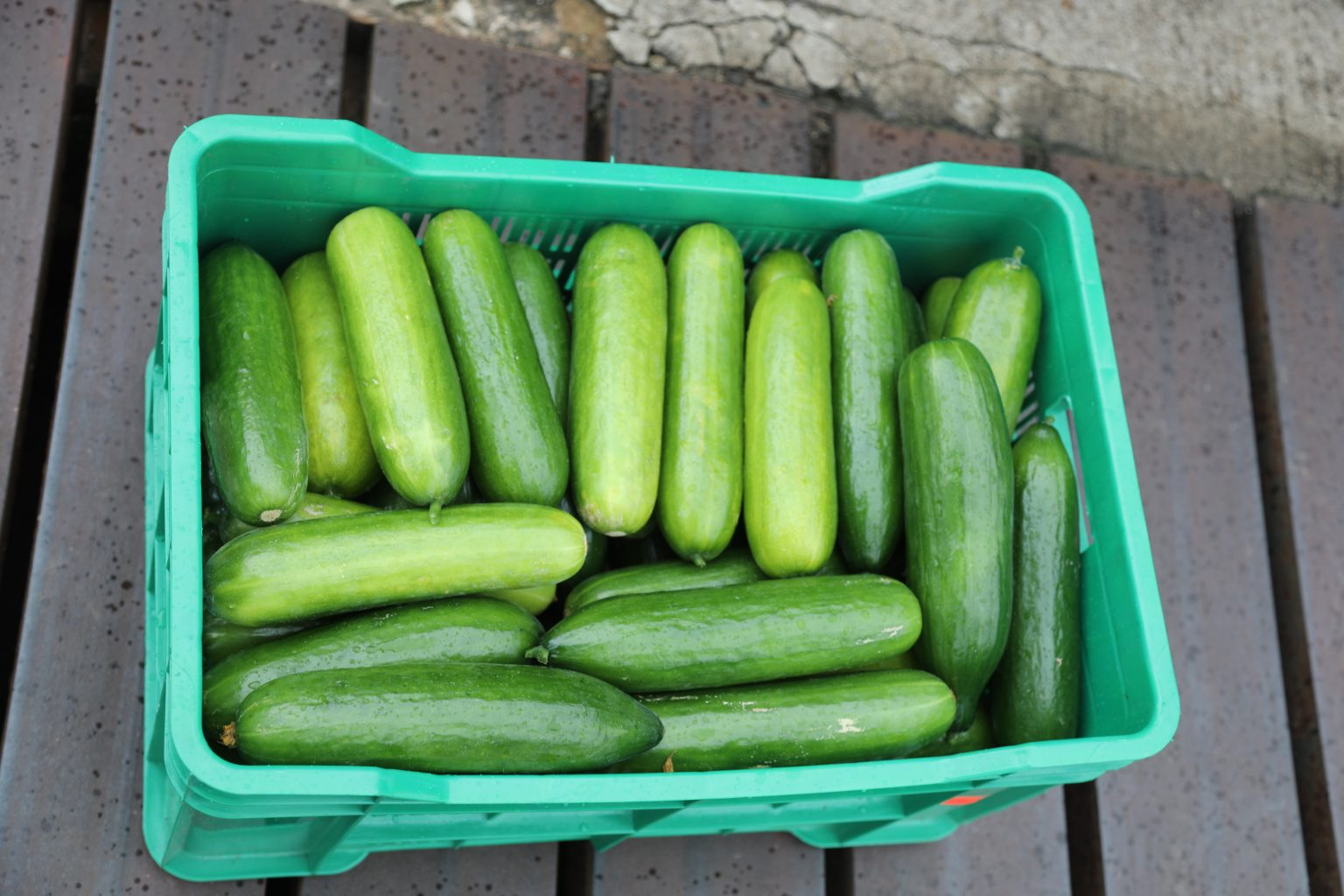
Earlier this year, Redeemer’s University launched its first greenhouse production and showcased the yield as part of a broader outreach to agricultural stakeholders. The greenhouse marks a visible step toward more controlled, sustainable crop cultivation on campus but its value extends beyond campus boundaries.
By sharing the greenhouse launch event with local farmers, the university created an opportunity for farmers and food producers to connect and transfer knowledge. Participants saw firsthand how controlled environment agriculture can optimize yield and reduce pest and disease pressures. The event served as a live demonstration of modern farming methods, inviting farmers to ask questions, compare practices, and envision adapting similar techniques in their own plots.
Similarly, the Redeemer’s University Women’s Association (RUNWA) is also contributing to agricultural outreach. The Vice Chancellor recently commended RUNWA for promoting a culture of planting among staff and in the community. At a Wealth Creation Workshop organized by RUNWA, participants from the university community and local neighborhoods were encouraged to adopt container gardens, small-space planting, and healthy vegetable cultivation. This kind of event, bringing planting knowledge into homes and nearby areas, helps local food producers and households adopt sustainable practices.
Through these events, Redeemer’s University is providing platforms for farmers to engage with academic research, agritech demonstrations, and peer exchange, all essential components of knowledge transfer in sustainable agriculture.
Opening University Facilities: A Resource for Local Food Producers
In addition to events, Redeemer’s University is harnessing its physical and technological infrastructure to support local farmers: providing access to university facilities, labs, plant stocks, and greenhouse resources can accelerate sustainable farming practices across nearby communities.
The greenhouse itself is a prime example: by producing plant material under controlled conditions, the university can share seedlings, propagation techniques, and optimum conditions with community growers. Farmers who adopt greenhouse methods can improve crop quality, reduce losses, and better integrate into urban or peri-urban farming models.
Moreover, university labs for soil testing, water quality monitoring, and plant diagnostics can be made available to local producers. When farmers bring samples for nutrient analysis or pest diagnosis, they gain scientifically validated insights that help them optimize fertilizer use, reduce losses, and achieve better yields. Access to plant stocks and germplasm from the university gardens or experimental plots also gives farmers a leg up: they can obtain improved seedlings or disease-resistant varieties.
This two-pronged approach, event outreach and facility access, reflects an institutional vision where the campus is not an isolated island of research, but a resource hub for its surrounding agrarian communities.
Growing Together for Sustainable Agriculture
By staging events for local farmers and offering access to facilities like its greenhouse and labs, Redeemer’s University is making real contributions to community farming capacity. These efforts align closely with SDG 4’s mandate to provide access to education and knowledge beyond campus boundaries, particularly in agricultural sustainability.
When local farmers benefit from greenhouse techniques, diagnostic services, and germplasm access, they become more resilient, productive, and connected to innovation. The university thereby strengthens its role as a knowledge hub and partner in regional food security, not only educating students, but empowering communities to cultivate a sustainable, food-secure future.
Latest News
-
Redeemer's University Launches New Initiative for SDG 1
Published on: October 22, 2024
-
New Study Shows Effective Measures in Poverty Reduction
Published on: October 19, 2024
-
Global Summit Addresses the Future of Sustainable Development
Published on: October 15, 2024